
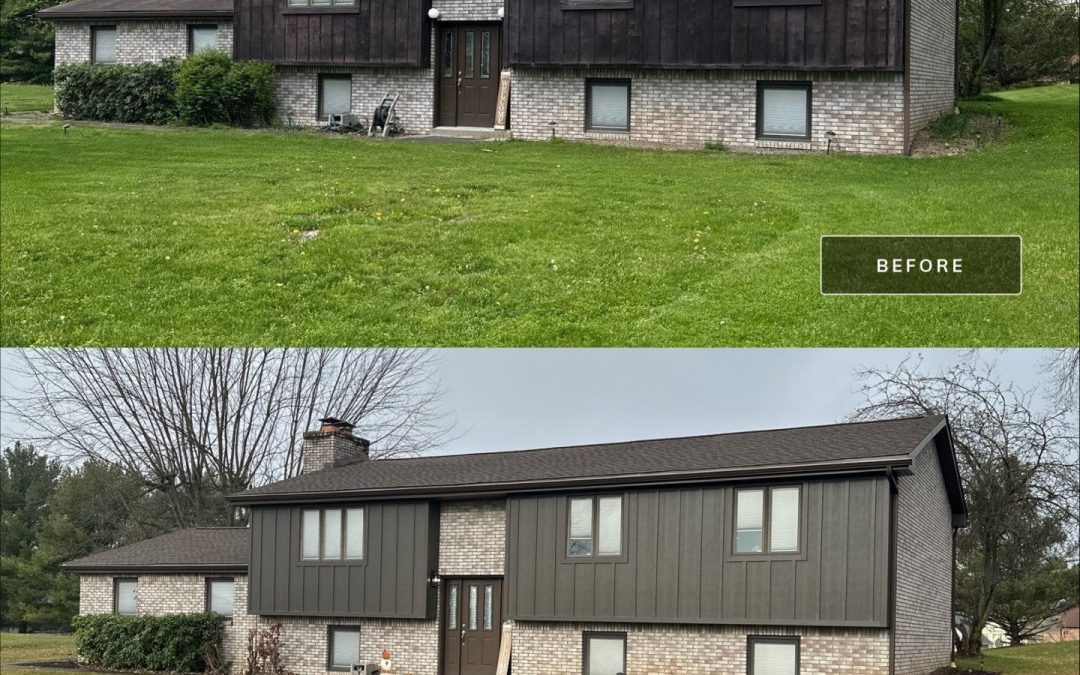
When homeowners think about protecting their house from the elements, the roof usually gets most of the attention. That makes sense. In a place like Pittsburgh, your roof takes a beating from rain, snow, wind, freeze-thaw cycles, and temperature swings throughout the year.
But the roof is only part of the story.
Your home’s exterior works best when its systems work together, and that includes siding, soffit, and fascia. These parts may not get as much attention as shingles or gutters, but they play a major role in helping your home manage moisture, support ventilation, and maintain a clean, finished appearance.
When one of these components starts to fail, the effects can spread farther than many homeowners expect. Water can get where it should not. Ventilation can suffer. The edges of the roofline can begin to break down. Even curb appeal can take a noticeable hit.
At Prescott Roofing, we have spent generations helping Pittsburgh-area homeowners protect their homes from top to bottom. That includes understanding how exterior systems connect and why the details matter. Siding, soffit, and fascia are perfect examples of that.
What Is Siding, Soffit, and Fascia?
Before getting into how these components work together, it helps to define what each one does.
Siding
Siding is the visible exterior material attached to the walls of your home. It helps shield the structure from rain, wind, sun, and seasonal wear. It also plays a big role in the home’s overall look.
Depending on the house, siding may be vinyl, fiber cement, wood, engineered wood, or another material. No matter the product, one of its biggest jobs is to act as a protective skin for the structure underneath.
Soffit
Soffit is the material installed underneath the overhang of the roof, bridging the space between the exterior wall and the edge of the roofline. Because it sits under the eaves, many homeowners do not notice it until there is a problem.
Soffit often includes ventilation openings that allow air to move into the attic. That airflow is important for regulating temperature and moisture levels inside the attic space.
Fascia
Fascia is the vertical finishing board that runs along the roof edge. It is mounted where the roof meets the outer walls of the house and typically supports the gutter system.
Fascia helps create a finished edge, but it is not just decorative. It also protects the roofline and the edges of the roof structure from exposure to weather.
Why These Systems Work Best Together
Siding, soffit, and fascia do different jobs, but they are all connected along the outer shell of the home. Together, they help seal, protect, and ventilate the structure.
When they are properly installed and maintained, they create a more complete defense against moisture and seasonal stress. They also give the home a cleaner, more polished appearance.
When one component is damaged or worn out, it can affect the others.
For example, if fascia begins to rot and gutters pull away, water may spill back toward the siding. If soffit ventilation is blocked or failing, attic moisture can build up and contribute to roof problems. If siding is damaged or improperly sealed, water can work behind the exterior and affect nearby trim and structural materials.
That is why these systems should never be looked at in isolation.
How They Help with Ventilation
One of the most important jobs in this group belongs to the soffit.
Many homes rely on soffit vents to bring fresh air into the attic. That intake airflow works together with exhaust ventilation higher up on the roof to help keep air moving through the attic space. In Pittsburgh, where homes face both humid summers and cold winters, that airflow matters more than many homeowners realize.
Proper ventilation can help:
- Reduce heat buildup in the attic during warmer months
- Limit excess moisture and condensation
- Support even roof temperatures
- Help roofing materials perform better over time
- Lower the risk of mold or moisture-related damage
If soffit vents are blocked, painted over, damaged, or poorly designed, airflow can suffer. When that happens, the attic may trap heat and moisture, which can shorten the life of roofing materials and create problems inside the home.
While siding and fascia are not ventilation components in the same way soffit is, they help support the system by protecting the surrounding structure and helping maintain the integrity of the roofline.
How They Help Control Moisture
Moisture control is where siding, soffit, and fascia truly work as a team.
Siding as the Home’s First Wall of Defense
Siding is constantly exposed to rain, snow, wind-driven moisture, and changing temperatures. Its job is to help shed water and protect the walls underneath. If siding becomes cracked, warped, loose, or improperly sealed, water can begin to move behind it.
That moisture may not be visible right away, but over time it can affect sheathing, trim, insulation, and interior wall materials.
Soffit Helps Protect the Underside of the Roof Edge
Because soffit sits under the eaves, it helps close off and protect an area that would otherwise be exposed. It keeps out wind-driven rain, pests, and debris while still allowing needed ventilation when properly vented.
If soffit is damaged or deteriorating, moisture and animals can gain access to areas that should remain protected.
Fascia Protects the Roof Perimeter
Fascia sits right at a vulnerable transition point along the roof edge. It helps shield the outer edge of the roof structure and provides a stable mounting surface for gutters.
If fascia starts to rot or separate, gutters may loosen or sag. Once drainage is affected, water can overflow or run back toward the house. That can impact both the roofline and the siding below.
In other words, fascia helps keep water moving off the roof the way it should.
Why These Details Matter in Pittsburgh
Homes in the Pittsburgh area deal with a little bit of everything. Rain, snow, freezing temperatures, humidity, and quick seasonal swings all put stress on exterior materials.
That means the transition points around the home matter. The edges, joints, and ventilation pathways are often where problems begin. Siding, soffit, and fascia all sit in those critical areas.
A home may look fine from a distance, but subtle issues around the roofline or wall system can lead to larger repairs if they are ignored. What starts as a loose fascia board or aging soffit panel can turn into moisture intrusion, wood rot, drainage trouble, or ventilation problems over time.
That is why it pays to pay attention to the full exterior system, not just the most obvious surface.
How They Affect Curb Appeal
Protection matters most, but appearance still matters too.
Siding covers the majority of the home’s visible exterior, so its condition has a huge impact on curb appeal. Clean, well-maintained siding gives the house a cared-for appearance and helps define its overall style.
Soffit and fascia play a quieter role, but they still make a difference. Straight, clean roof edges and properly finished trim help a home look complete. When fascia is peeling, warped, or stained, or when soffit panels are sagging or damaged, the whole exterior can look tired.
This is especially true on homes with visible roof overhangs or strong architectural lines.
When siding, soffit, and fascia all look consistent and well maintained, the house feels more polished. More importantly, it reflects that the home is being cared for properly.
Common Signs Something Is Wrong
Homeowners do not need to inspect every exterior detail like a contractor would, but there are a few common warning signs worth noticing.
Look for:
- Cracked, loose, warped, or faded siding
- Areas where siding appears to be pulling away from the house
- Peeling paint or staining along the roof edge
- Sagging or damaged soffit panels
- Visible rot or softness in fascia boards
- Gutters pulling away from the fascia
- Signs of poor drainage near the siding
- Moisture stains near eaves or upper walls
- Increased attic humidity or ventilation concerns
These do not always point to a major failure, but they do suggest the exterior system may need attention.
Why Repairs Should Be Looked at Holistically
One of the biggest mistakes homeowners can make is treating siding, soffit, fascia, gutters, and ventilation as separate issues that have nothing to do with one another.
In reality, these systems overlap.
If siding is repaired without addressing the drainage issue above it, the problem may return. If fascia is replaced but the soffit ventilation remains blocked, moisture conditions in the attic may continue. If the roof edge is upgraded without considering how it ties into the wall assembly, the home may still stay vulnerable at the transition points.
A better approach is to look at the full exterior picture.
That does not always mean everything needs to be replaced. It means the cause of the issue should be understood before the fix is chosen.
The Bottom Line
Siding, soffit, and fascia may not always get the spotlight, but they do important work every day. Together, they help your home manage airflow, shed water, protect vulnerable edges, and maintain the clean look that gives a house lasting curb appeal.
In a climate like Pittsburgh’s, those details matter.
When these systems are in good condition, they support the performance of the whole exterior. When they begin to fail, the effects can reach farther than most homeowners expect.
At Prescott Roofing, we believe protecting a home means looking at how all the parts work together. Roofing, siding, trim, gutters, ventilation, and exterior details all play a role. And when they are planned, repaired, and installed with care, your home is better prepared for whatever Western Pennsylvania weather sends next.
If your home’s exterior is starting to show signs of wear, taking a closer look at the siding, soffit, and fascia may be one of the smartest next steps you can take.