
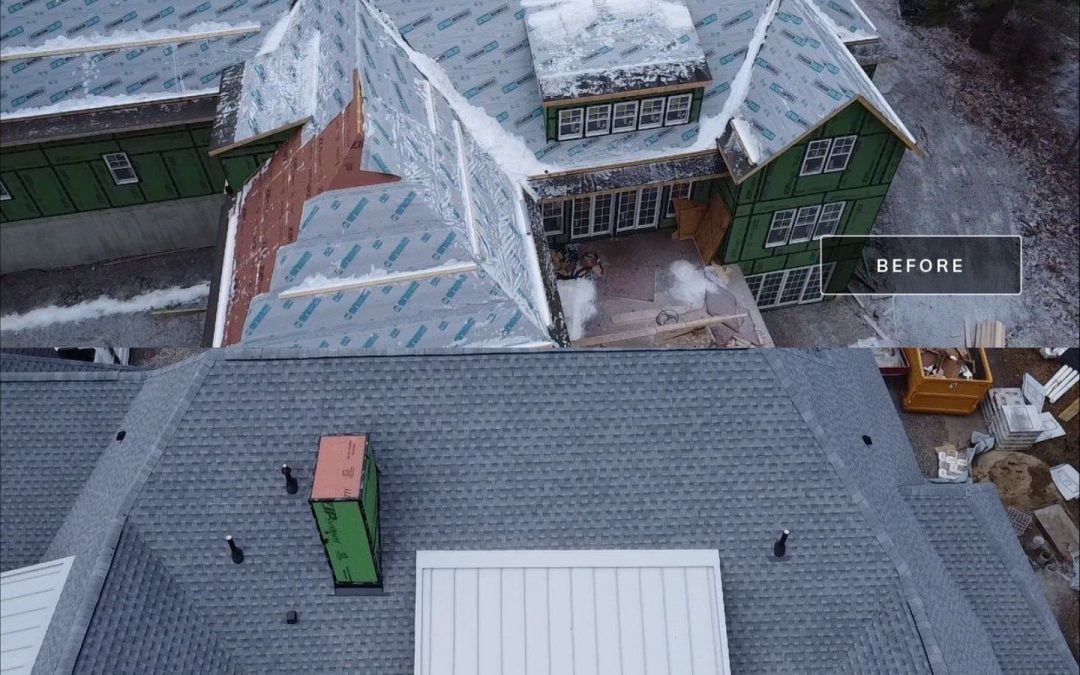
Installing new shingles over an existing roof, often called an overlay or re-roof, may seem like a convenient way to reduce replacement costs. In some situations, it is an option. However, whether it is appropriate depends on local building requirements, the existing roof’s condition, and the shingle manufacturer’s installation instructions. A lower upfront price does not always mean better long-term value.
Overlays Versus Full Tear-Offs
An overlay leaves the existing shingles in place and adds another layer above them. This can reduce removal labor and disposal costs. However, the existing roof must provide a suitable base. Curled, uneven, or deteriorated shingles can interfere with the installation and appearance of the new layer.
A full tear-off removes the existing roofing down to the decking. It involves more labor and debris removal but gives the contractor access to assess the roof’s underlying condition and install the replacement system on a clean surface.
Decking and Hidden Damage
Roof decking supports the shingles and provides a base for fasteners. With an overlay, much of that decking remains concealed. An attic inspection may reveal moisture stains or deterioration, but it cannot expose every damaged area.
Removing the old roofing allows closer examination for soft wood, rot, delamination, and inadequate fastening. It also provides access to inspect flashing and other vulnerable transitions. Installing another layer does not repair leaks or moisture-damaged materials underneath.
Added Weight and Installation Limits
Another layer of shingles increases the load on the roof structure. Whether that added weight is acceptable depends on the framing, existing materials, and applicable requirements. Snow loads also matter for Pittsburgh homes.
Building codes commonly limit the number of roofing layers and prohibit reroofing over certain deteriorated conditions. Homeowners should have a contractor verify the requirements that apply to their property rather than assume a second layer is permitted.
What About Warranties?
Warranty coverage varies by manufacturer and product. Some manufacturers permit installation over qualifying existing shingles, while others impose restrictions that affect coverage or eligibility for enhanced warranties.
An overlay should never be assumed to carry the same warranty benefits as a complete replacement system. Ask for written clarification about installation requirements, material coverage, and the contractor’s workmanship warranty.
Choosing the Right Approach
An overlay may be reasonable when the existing roof is sound, flat, dry, and eligible under applicable requirements. A tear-off generally offers a more complete opportunity to identify hidden problems and replace aging components.
Before deciding, ask Prescott Roofing & Masonry to assess the existing roof and explain both options. Understanding the decking condition, installation limitations, and warranty terms can help you choose based on more than the initial estimate.