
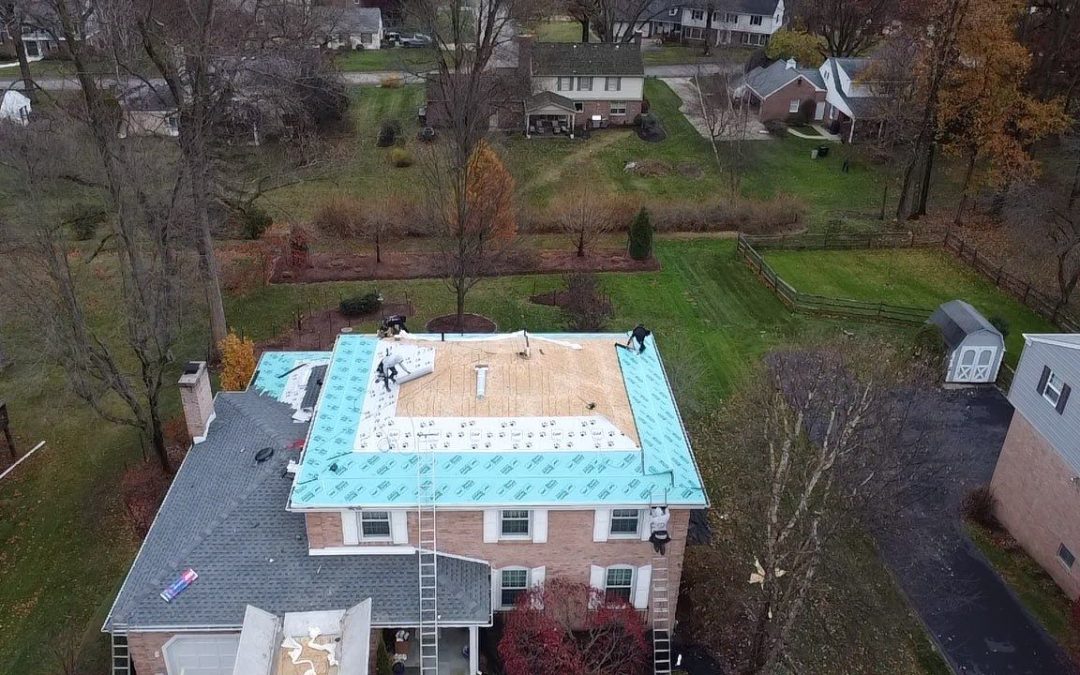
Roof decking plays a critical role in the strength of your roofing system, but it is also one of the easiest parts of a roof to overlook. Because it sits beneath the shingles and underlayment, damage can develop quietly over time. By the time a roof replacement begins, homeowners are sometimes surprised to learn that sections of the decking have rotted and need to be replaced before the new roof can be installed.
So, what causes roof decking to rot? In most cases, moisture is the main culprit. When water gets past aging shingles, damaged flashing, or worn roof penetrations, it can seep into the wood decking below. Even a small leak that goes unnoticed can create the conditions for wood rot over time. Moisture can also build up from inside the home. Poor attic ventilation allows heat and humidity to get trapped, which can lead to condensation forming underneath the roof. That repeated exposure to damp conditions weakens the decking and can eventually cause it to deteriorate.
One of the most common warning signs is soft decking. If a section of the roof feels spongy underfoot during an inspection, that can mean the wood beneath has absorbed too much moisture and is beginning to lose its structural strength. Inside the home, you may also notice water stains on ceilings, peeling paint, musty odors, or signs of mold in the attic. These issues do not always confirm decking rot, but they can point to the moisture problems that often lead to it.
Still, some damage remains hidden until the old roofing materials are removed. Roof decking is covered by multiple layers, and not every weak spot is visible from the attic or from the surface of the roof. In some cases, the top side of the decking has been affected while the underside still looks relatively normal. That is why roofers sometimes discover rot only on replacement day.