
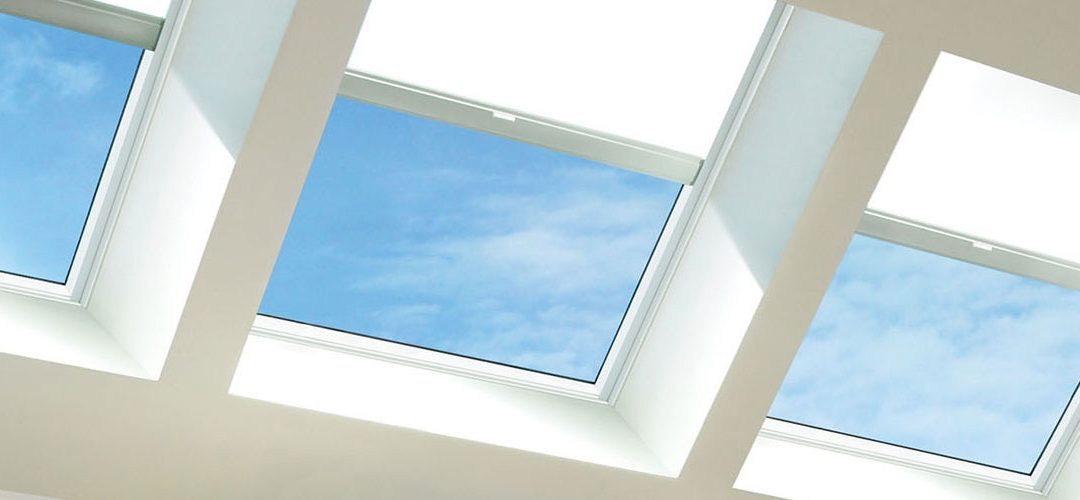
Adding a skylight can be a great way to bring more natural light into your home, brighten dark interior spaces, and create a more open feel. But installing a skylight in an existing roof is not as simple as cutting an opening and setting it in place. Before moving forward, homeowners should understand how placement, flashing, ventilation, leak prevention, and roof age all factor into a successful installation.
Placement is one of the first and most important decisions. A skylight should be positioned where it adds useful daylight without creating glare, overheating the room, or interfering with the structure of the roof. Roof slope, rafter spacing, attic layout, and the direction the skylight will face all matter. In Pittsburgh homes, seasonal sun angles and weather exposure can also affect how well a skylight performs over time.
Proper flashing is critical. Flashing is the system of metal and waterproofing materials installed around the skylight to direct water away from the opening. Since a skylight interrupts the surface of the roof, this area becomes especially vulnerable to leaks if it is not installed correctly. High-quality flashing, paired with proper underlayment and professional workmanship, helps create a watertight seal and protects the surrounding shingles and roof decking.
Ventilation should also be considered, especially in bathrooms, kitchens, and upper-level rooms that collect heat and humidity. Some skylights are fixed, while others are vented and can be opened to improve airflow. The right option depends on the space and how the room is used. In some cases, better ventilation can improve comfort and help reduce moisture buildup inside the home.
Leak prevention comes down to more than just the skylight itself. The condition of the surrounding roof matters just as much. If shingles are worn, flashing is already aging, or the roof has existing moisture issues, adding a skylight may increase the likelihood of future problems unless those conditions are addressed first. A professional inspection can help identify whether the roof is a good candidate for installation.
Homeowners should also think about the roof’s remaining lifespan. If the roof is already nearing the end of its service life, it may make more sense to wait and add the skylight during a full roof replacement. Doing both projects together can improve installation quality, reduce labor duplication, and help avoid having to disturb a newer skylight when the roof is replaced later.
At Prescott Roofing & Masonry, we help homeowners make smart decisions that balance beauty, function, and long-term roof performance. When planned carefully, a skylight can be a valuable upgrade. The key is making sure the existing roof is ready for it.