
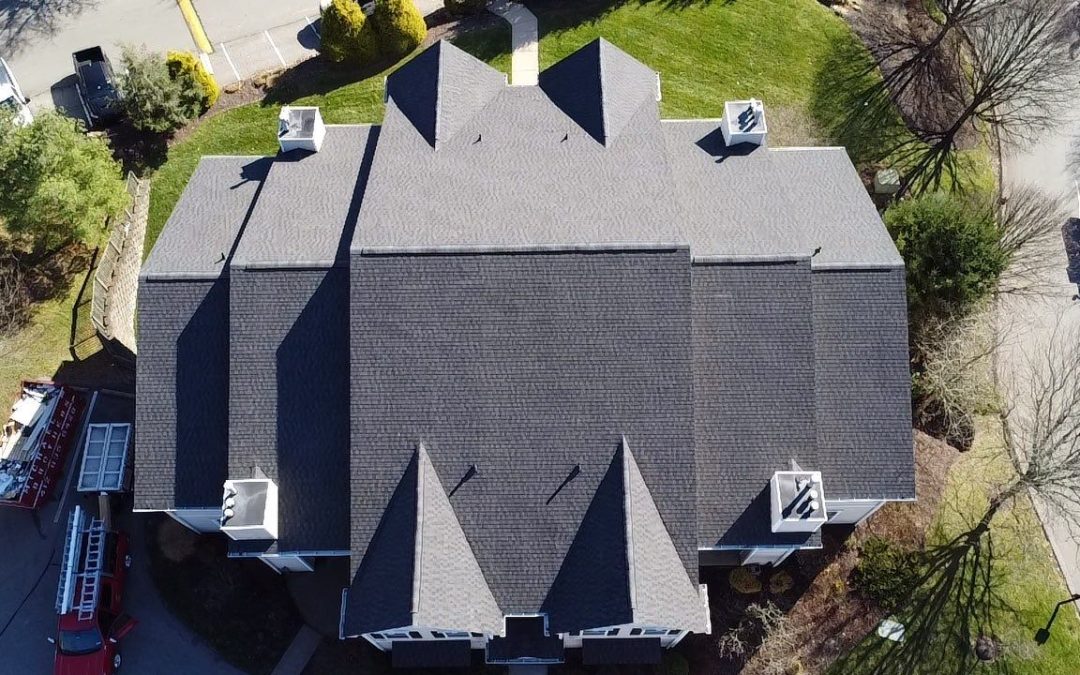
Roof valleys do some of the hardest work on any roofing system. These are the areas where two roof slopes meet, creating a channel that directs rainwater and melting snow safely off the roof. Because valleys handle concentrated water flow, they are often one of the first places where roofing problems develop. In Pittsburgh, where roofs are exposed to heavy rain, snow, ice, and seasonal debris, valley performance is especially important.
One of the main reasons roof valleys fail is the sheer volume of water they manage during storms. Instead of shedding water evenly across a roof surface, valleys collect and funnel it through one narrow path. If the materials in that area are worn, poorly installed, or not designed to handle that volume, leaks can develop faster than homeowners expect.
Debris buildup is another common issue. Leaves, branches, and granules from aging shingles can collect in valleys and slow water movement. When debris traps moisture, it can accelerate shingle deterioration and increase the risk of water backing up beneath roofing materials. In winter, clogged valleys can also contribute to ice buildup, which puts even more stress on the roof.
Proper valley installation matters because these areas need more than standard shingle placement. A well-built valley should include the right underlayment protection and a flashing method suited to the roof design and material. Depending on the system, this may involve open metal valleys or closed-cut valley methods, but in either case, the goal is the same: to move water efficiently while protecting the roof deck underneath. Quality workmanship is critical, since even small installation errors can leave vulnerable gaps where water can enter.
Homeowners should also know the early warning signs of valley failure. Dark staining, missing or curling shingles, rusted metal, recurring debris accumulation, sagging spots, or leaks appearing along ceiling lines can all point to trouble in a valley area. In some cases, the damage may not be fully visible until an inspection is performed.
At Prescott Roofing & Masonry, we know that strong valley construction is essential to a roof that lasts. If you have concerns about wear, drainage issues, or possible leaks, a professional inspection can help catch valley problems early and prevent more extensive damage later.