Historic Pittsburgh homes have a kind of character that is hard to recreate.
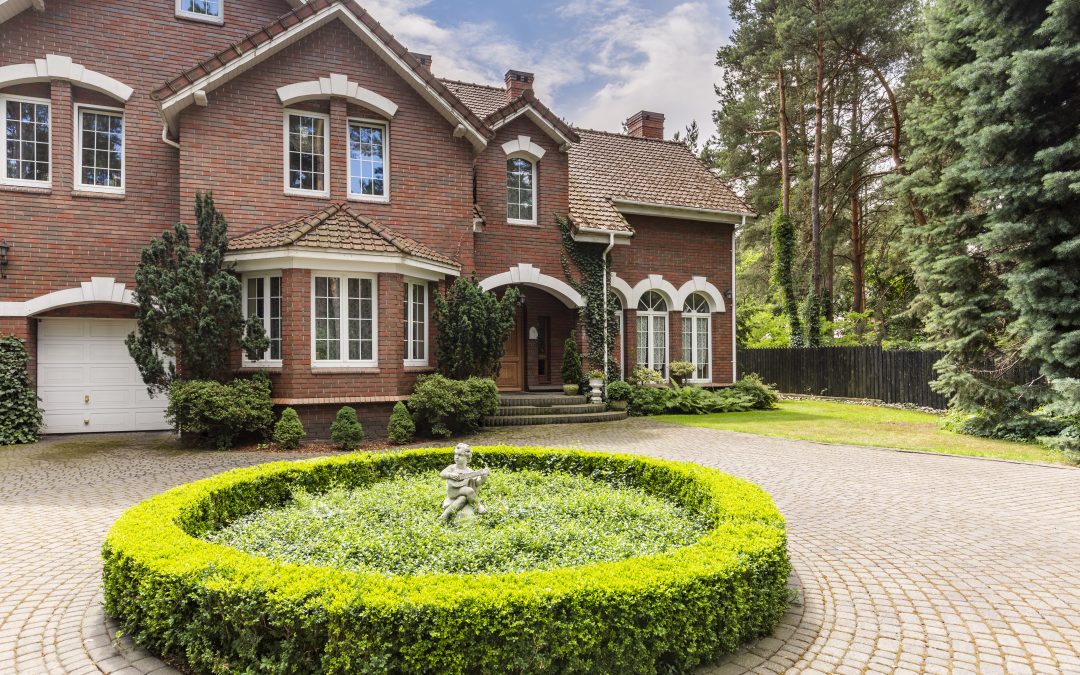
From steep rooflines and slate details to brick masonry, copper accents, deep overhangs, and carefully shaped trim, these homes were built with architectural features that still stand out generations later. For homeowners, that character is often one of the main reasons the property feels special.
But older homes also need to perform in a modern world.
Roofs have to handle heavy rain, snow, freeze-thaw cycles, wind, humidity, and summer heat. Gutters need to drain properly. Attics need ventilation. Siding and trim need to control moisture. Masonry needs to remain structurally sound.
That creates an important question during exterior remodeling: what should be preserved, and what should be upgraded?
At Prescott Roofing, we believe the best answer is usually not to choose between character and performance. It is to find the right balance between the two.
Start by Understanding the Home
Before replacing anything, it helps to understand what makes the home architecturally distinctive.
That may include:
- The original roof shape
- Slate, tile, or metal details
- Box gutters or copper drainage systems
- Brick or stone masonry
- Decorative fascia, soffit, or cornice work
- Traditional siding profiles
- Dormers, chimneys, or other roofline features
These elements often work together to create the home’s overall appearance. Removing or changing one feature without considering the rest can make the exterior feel disconnected.
A careful remodeling plan begins with the architecture, not just the product catalog.
Preserve the Roofline Whenever Possible
The shape of the roof is one of the most important visual elements on a historic home.
Steep slopes, dormers, valleys, hips, gables, and chimney placement all contribute to the home’s character. In most cases, the roofline itself should be preserved unless there is a structural reason to change it.
The roofing material may be replaced or upgraded, but the goal should be to maintain the proportions and visual weight of the original design.
For example, a home that originally had slate may look best with natural slate or a carefully selected synthetic slate product. A standard asphalt shingle roof may provide good protection, but it may not deliver the same depth or texture.
The right decision depends on the home, budget, structural condition, and long-term goals.
Know When Original Materials Can Be Repaired
Older does not automatically mean unusable.
Natural slate, clay tile, copper, and quality masonry can often last for decades when they are properly maintained and repaired. A few broken slate pieces or deteriorated mortar joints may not require complete replacement.
Preservation may make sense when:
- Most of the material remains in good condition
- Damage is limited to specific areas
- Matching materials are available
- The supporting structure is sound
- Repair will provide dependable long-term performance
This is especially important with slate and tile. Contractors who are unfamiliar with these materials may recommend full replacement when targeted repairs could preserve the original roof.
An experienced evaluation can help determine whether the material is truly failing or simply needs skilled maintenance.
Upgrade the Parts That Manage Water
Moisture is one of the biggest threats to any historic home.
Even when original exterior materials are worth preserving, the systems that move water away from the house may need to be repaired or upgraded.
That includes:
- Flashing
- Gutters and downspouts
- Box gutters
- Roof valleys
- Chimney crowns
- Mortar joints
- Soffit and fascia
- Drainage outlets
A beautiful slate roof can still leak if the flashing around a chimney has failed. Original brickwork can deteriorate quickly if gutters overflow against the wall. Decorative wood trim can begin to rot when water is allowed to collect behind it.
Preserving architectural character should never mean accepting poor drainage.
The best remodeling plan protects the features worth saving by improving the systems around them.
Consider Modern Flashing and Underlayment
Some of the most valuable upgrades are the ones homeowners never see after the project is complete.
Modern underlayment, flashing materials, ice and water protection, and installation methods can improve roof performance without changing the visible character of the home.
These upgrades may be especially helpful around:
- Chimneys
- Valleys
- Dormers
- Roof-to-wall transitions
- Low-slope sections
- Eaves and drainage edges
The visible roof can maintain a traditional appearance while the system beneath it benefits from modern moisture protection.
That is often one of the best ways to balance preservation and performance.
Improve Ventilation Without Changing the Look
Many older homes were not designed around modern expectations for insulation and attic airflow.
Over time, insulation may have been added, rooms may have been renovated, and heating or cooling systems may have changed. Those updates can affect how heat and moisture move through the home.
Poor attic ventilation may contribute to:
- Excess summer heat
- Moisture buildup
- Condensation
- Mold or mildew concerns
- Premature roof wear
- Uneven indoor comfort
Ventilation improvements can often be incorporated carefully through soffit intake, ridge ventilation, or other compatible methods without dramatically changing the exterior appearance.
The right solution depends on how the roof and attic are built. Adding vents without understanding the full airflow system may not solve the problem.
Match Siding to the Architecture
Siding replacement can have a major effect on the appearance of a historic home.
The profile, texture, width, color, and trim details all matter. Replacing narrow traditional siding with a very different profile may make the home look newer, but it can also erase some of its original character.
Homeowners may consider:
- Repairing original wood siding where practical
- Using fiber cement siding with historically appropriate profiles
- Preserving decorative trim and corner details
- Matching original reveal widths
- Maintaining window and door proportions
Modern siding products can provide improved durability and moisture resistance, but they should be chosen with the home’s design in mind.
The goal is not to make an old home look new. It is to help it perform better while still looking like itself.
Preserve Masonry, but Address Deterioration Early
Brick and stone are defining features of many historic Pittsburgh homes.
Original masonry should often be preserved, but damaged mortar, spalling brick, open joints, and moisture entry should not be ignored.
Repairs need to be compatible with the existing structure. Mortar that is too hard, for example, may damage older brick by forcing moisture and movement into the masonry units instead of the joints.
Thoughtful masonry restoration may include:
- Repointing deteriorated mortar joints
- Replacing severely damaged brick
- Repairing chimney crowns
- Correcting flashing connections
- Improving drainage around masonry surfaces
The goal is to stabilize and protect the original material without introducing repairs that create new problems.
Keep Box Gutters and Copper Details When Practical
Box gutters and copper elements are common on older, high-end Pittsburgh homes.
These features can be expensive to replace, but they also contribute significantly to the architecture. When properly repaired or rebuilt, they can continue to serve the home while maintaining its historic appearance.
Preservation may make sense when the surrounding structure is sound and the system can be restored to drain properly.
In some cases, liners, seams, outlets, or damaged wood components may need major work. The decision should be based on condition, not appearance alone.
A gutter system that looks historic but allows water behind the walls is not protecting the home.
Upgrade for Safety and Long-Term Maintenance
Some improvements are less about appearance and more about making the home safer and easier to maintain.
That may include:
- Better roof access planning
- Snow guards on steep metal roofs
- Improved drainage near entrances
- Stronger flashing around complex transitions
- More durable exterior trim materials
- Safer chimney caps and covers
- Updated ventilation around remodeled attic spaces
These upgrades can reduce future maintenance demands while keeping the visible design consistent with the home.
Avoid One-Size-Fits-All Remodeling
Historic homes do not respond well to generic recommendations.
Two houses built in the same decade may have completely different roofing materials, structural conditions, moisture problems, and architectural details. A solution that looks right on one home may feel completely out of place on another.
Homeowners should be cautious when a contractor recommends replacing every original feature without first evaluating whether it can be repaired.
They should also be cautious when preservation is recommended without addressing obvious performance problems.
The best plan should explain:
- Which materials can be saved
- Which areas are no longer performing
- What modern upgrades are recommended
- How the new work will match the home
- What maintenance the finished system will require
- How water and ventilation will be managed
Balance Budget With Long-Term Value
Preserving original materials can sometimes cost more than replacing them with standard products. Premium materials like copper, slate, tile, and custom trim may also require specialized labor.
However, the lowest initial price does not always provide the best long-term value.
Replacing a historic detail with an incompatible product may reduce curb appeal or create maintenance issues. On the other hand, spending heavily to preserve a feature that is beyond repair may not be practical.
A realistic plan should prioritize the parts of the home that matter most architecturally and functionally.
That may mean preserving visible slate while upgrading flashing underneath. It may mean keeping copper accents while replacing deteriorated hidden drainage components. It may mean choosing fiber cement siding that matches the original profile instead of maintaining wood that requires constant repair.
The Bottom Line
Exterior remodeling for a historic Pittsburgh home should not be a choice between preserving the past and improving performance.
The best projects do both.
Rooflines, slate, tile, copper, masonry, box gutters, and decorative trim may be worth preserving when they remain sound or can be restored properly. Flashing, underlayment, drainage, ventilation, and moisture protection may need modern upgrades to help the home perform for the next generation.
At Prescott Roofing, we believe historic homes deserve more than a standard replacement plan. They deserve a careful evaluation of what makes the property distinctive, what is still working, and what needs to change.
The goal is not to erase the home’s age. It is to protect the character that made the home worth preserving in the first place.