
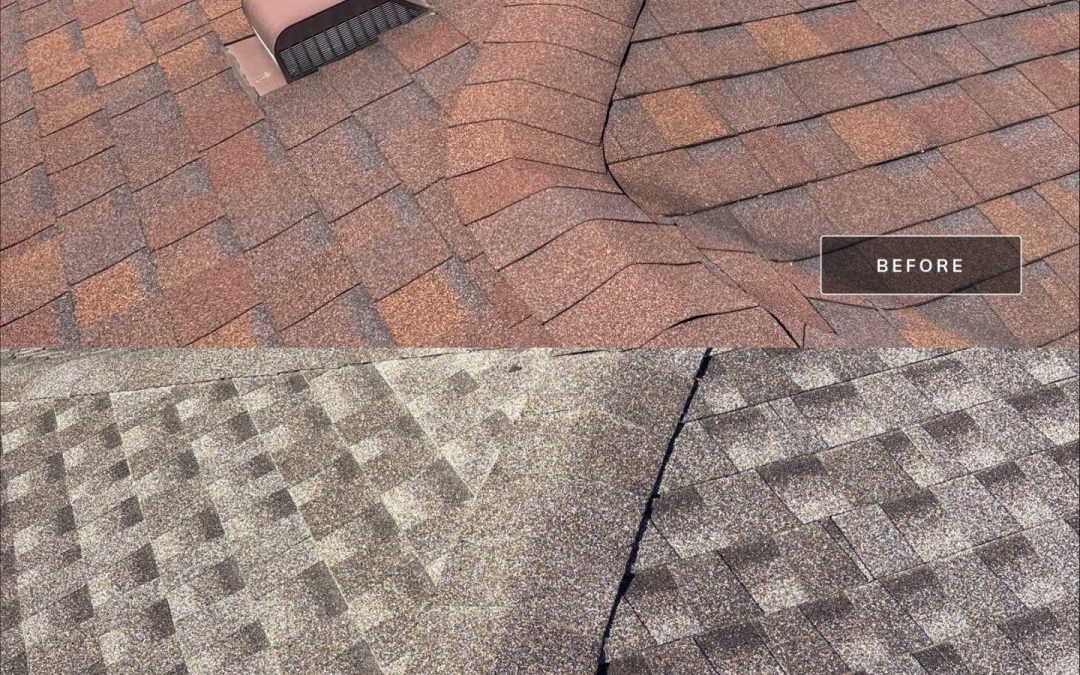
A roof can look fine from the street and still be getting close to the end of its useful life.
That is especially true in Western Pennsylvania, where roofing materials have to handle heavy rain, snow, wind, summer heat, humidity, and repeated freeze-thaw cycles. The age of a roof matters, but it is only one part of the picture. Material type, installation quality, attic ventilation, maintenance, and weather exposure all affect how long a roofing system can reasonably protect a home.
At Prescott Roofing, we have worked on Pittsburgh-area roofs for generations. One thing experience teaches quickly is that there is no single lifespan that applies to every roof. Two homes with the same roofing material may age very differently depending on how they were built and maintained.
Still, general lifespan ranges can help homeowners understand when to start paying closer attention.
Asphalt Shingle Roofs: Around 20 to 30 Years
Asphalt shingles are the most common roofing material on homes throughout Western Pennsylvania. They are practical, widely available, and offered in many colors and profiles.
A typical asphalt shingle roof may last approximately 20 to 30 years when it is properly installed and maintained. Premium architectural shingles may offer longer performance than basic three-tab products, but product quality is only one factor.
Asphalt shingles can wear faster when they are exposed to:
- Poor attic ventilation
- Repeated wind damage
- Heavy granule loss
- Tree debris and excessive shade
- Ice buildup along roof edges
- Improper installation
- Ongoing flashing or drainage problems
Homeowners should not wait for the exact age listed on a warranty before having the roof evaluated. Missing shingles, curling edges, cracking, widespread granule loss, and recurring leaks may indicate that the roof is aging faster than expected.
Metal Roofing: Around 40 to 70 Years
Metal roofing is often selected for its durability and long-term performance.
A properly installed standing seam metal roof may last approximately 40 to 70 years, depending on the metal, finish, installation method, maintenance, and surrounding conditions. Some systems may remain functional even longer.
Metal performs well in Western Pennsylvania because it sheds rain and snow efficiently and can provide strong resistance to wind when properly designed. It is also less vulnerable to cracking from freeze-thaw cycles than some other materials.
However, metal roofs still require attention. Their lifespan can be affected by:
- Poorly installed seams or flashing
- Damaged protective finishes
- Corrosion
- Improperly handled roof penetrations
- Loose fasteners on exposed-fastener systems
- Damage from falling branches
- Inadequate snow-management details
Metal expands and contracts as temperatures change. A qualified installer must account for that movement so the roof can perform properly through Pittsburgh’s changing seasons.
Natural Slate Roofing: 75 to 100 Years or More
Natural slate is one of the longest-lasting roofing materials available.
A quality slate roof may last 75 to 100 years or longer when the slate is durable, the supporting structure is sound, and repairs are handled correctly. Some older Pittsburgh homes still have original slate roofs that have protected the property for generations.
The slate itself may have a very long lifespan, but the full roofing system includes more than the visible tiles. Flashing, fasteners, underlayment, valleys, gutters, and surrounding masonry may need repair or replacement during the slate’s service life.
Slate roof longevity can be reduced by:
- Improper foot traffic
- Repairs completed with incompatible materials
- Broken or slipping slate
- Corroded fasteners
- Deteriorated flashing
- Structural movement
- Contractors without slate experience
A slate roof should be evaluated by someone who understands how to repair it without causing unnecessary damage. A few broken pieces do not always mean the entire roof needs replacement.
Synthetic Slate Roofing: Around 40 to 50 Years
Synthetic slate is designed to provide the appearance of natural slate with a lighter-weight roofing material.
Depending on the manufacturer and product quality, a synthetic slate roof may last around 40 to 50 years. It can be a practical option for homeowners who want a slate-style appearance without the weight, cost, or specialized repair requirements of natural stone.
Synthetic slate can perform well on steep-slope older homes, but longevity depends heavily on choosing a proven product and following the manufacturer’s installation requirements.
Factors that can affect its service life include:
- Product quality
- Improper fastening
- Poor flashing details
- Inadequate ventilation
- Severe impact damage
- Incorrect installation on complex rooflines
Not all synthetic roofing products perform the same way, so homeowners should understand exactly which material is being proposed.
Tile Roofing: Around 50 to 100 Years
Clay and concrete tile roofs are known for durability and distinctive appearance.
Depending on the tile material and quality, a tile roof may last approximately 50 to 100 years. Like slate, however, the tiles are only one part of the complete roofing system. Underlayment, flashing, fasteners, and structural support may require attention before the tile itself reaches the end of its life.
Tile roofs can be affected by:
- Impact damage
- Freeze-thaw exposure
- Improper foot traffic
- Poor repairs
- Failed underlayment
- Deteriorated flashing
- Structural movement
Because tiles can crack when stepped on incorrectly, inspections and repairs should be handled by a contractor experienced with the material.
Low-Slope Commercial Roofing: Around 15 to 30 Years
Commercial and multifamily buildings often use low-slope roofing systems such as modified bitumen, single-ply membranes, built-up roofing, or coated systems.
Depending on the material, installation, drainage, and maintenance, these roofs may last approximately 15 to 30 years. Some systems can be restored with a silicone coating when the roof remains structurally sound.
Standing water is one of the biggest concerns on low-slope roofs. Clogged drains, settled insulation, damaged seams, and neglected rooftop equipment areas can all shorten the roof’s useful life.
Regular inspections are especially important because low-slope roof problems may remain hidden until moisture has spread beneath the surface.
What Affects Roof Longevity?
The material provides a starting point, but several other factors determine whether a roof reaches its expected lifespan.
Installation Quality
Even a premium roofing product can fail early if it is installed incorrectly.
Fastening patterns, flashing details, underlayment, ventilation, transitions, and drainage all matter. Roof problems often begin at chimneys, valleys, walls, skylights, vents, and other areas where materials meet.
The quality of the installation is just as important as the material itself.
Attic Ventilation
Poor attic ventilation can trap heat and moisture beneath the roof.
During summer, excessive heat may contribute to faster aging of roofing materials. During colder weather, trapped moisture can lead to condensation and damage to decking or insulation.
Balanced intake and exhaust ventilation help the roof system perform more consistently throughout the year.
Pittsburgh Weather
Western Pennsylvania weather puts roofs through constant stress.
Repeated freezing and thawing can widen small openings in masonry, flashing, and roofing materials. Wind can loosen shingles or damage metal components. Snow and ice add weight and moisture. Summer heat and ultraviolet exposure contribute to surface aging.
A roof does not need to experience one major storm to suffer damage. Years of ordinary seasonal weather can gradually shorten its life.
Drainage and Gutters
Water should move off the roof efficiently.
Clogged gutters, failing box gutters, blocked valleys, and poorly draining low-slope areas can keep moisture against roofing materials longer than intended. Over time, that can contribute to leaks, rot, corrosion, and premature wear.
Trees and Debris
Large trees add beauty and shade, but they can also affect roof performance.
Branches may scrape roofing materials or fall during storms. Leaves and debris can collect in valleys and gutters. Heavy shade may keep parts of the roof damp longer after rain.
Regular trimming and debris removal can help reduce those risks.
Roof Maintenance and Timely Repairs
Small problems rarely improve on their own.
A loose flashing detail, cracked slate, missing shingle, or damaged seam may be manageable when caught early. If moisture is allowed to spread into decking, insulation, framing, or walls, the repair becomes more complicated and expensive.
Periodic inspections help homeowners address wear before it becomes a larger failure.
Age Alone Does Not Tell the Whole Story
An older roof is not automatically a failed roof, and a newer roof is not automatically problem-free.
A 25-year-old slate roof may still have many decades of service ahead. A newer asphalt shingle roof may develop problems early if it was poorly installed or has serious ventilation issues.
That is why homeowners should consider both age and condition.
Warning signs that deserve attention include:
- Missing, cracked, curled, or slipping roofing materials
- Widespread granule loss
- Rusted or separated flashing
- Repeated leaks
- Sagging roof areas
- Soft or deteriorated decking
- Interior water stains
- Damaged gutters or drainage problems
- Repairs that keep failing in the same location
When Should You Start Planning for Roof Replacement?
It is better to start planning before the roof becomes an emergency.
If the roof is approaching the lower end of its expected lifespan, schedule an inspection and begin learning about material options. That gives you time to budget, compare systems, and choose a qualified contractor without the pressure of an active leak.
An inspection may show that the roof still has useful life remaining. It may also identify repairs or maintenance that can help extend that life.
A trustworthy contractor should explain what needs attention now, what can wait, and whether repair or replacement provides the better long-term value.
The Bottom Line
Roof lifespan in Western Pennsylvania depends on more than age.
Asphalt shingles may last around 20 to 30 years. Metal roofing may provide 40 to 70 years of service. Synthetic slate may last around 40 to 50 years, while natural slate and tile can protect the right home for many decades.
Those ranges are only starting points. Installation quality, ventilation, drainage, maintenance, and Pittsburgh weather all influence how long a roof actually lasts.
At Prescott Roofing, we believe homeowners deserve an honest evaluation based on the condition of the full roofing system, not just the date it was installed. The best way to protect your home and budget is to understand how the roof is aging and address problems before they force an emergency decision.
If your roof is getting older or showing signs of wear, a professional inspection can help you understand how much life may be left and what steps make sense next.