
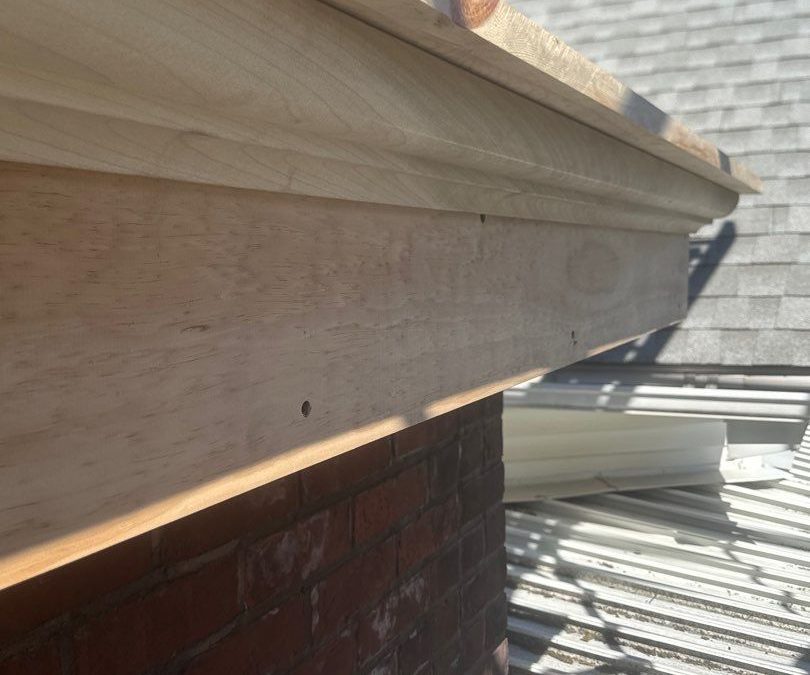
Box gutters are one of those features many Pittsburgh homeowners do not think much about until something goes wrong.
From the street, they can blend into the architecture of an older home so well that they barely register as a separate part of the exterior. But when box gutters begin to fail, the damage can spread in ways that are easy to miss at first and expensive to ignore later.
That is because box gutters do more than move water off the roof. They are built into the structure of the home itself. When they stop draining properly or begin to break down, water does not always spill harmlessly to the ground. It can back up, seep into hidden areas, and start working its way behind trim, into roof edges, and even behind the walls.
In Pittsburgh, where older homes, freeze-thaw cycles, heavy rain, and seasonal temperature swings are all part of the landscape, box gutters deserve close attention.
At Prescott Roofing, we have spent generations working on Pittsburgh-area homes, including many properties with original box gutter systems. We know these systems can last a long time when they are maintained properly, but we also know the warning signs that suggest repairs should happen before water gets where it should not.
Why Older Pittsburgh Homes Are More Vulnerable
Box gutters are especially common on older homes, and that matters.
Many of these homes were built with detailed architecture, built-in drainage systems, and materials that require experienced care. Over time, however, even well-built box gutters can begin to show their age. Liners wear down. Joints open up. Wood framing around the gutter can deteriorate. Drainage paths can collect debris or lose pitch.
Pittsburgh weather adds another layer of stress.
Rain, snow, ice, and repeated freeze-thaw cycles all put pressure on the system. Water that lingers in a failing gutter can expand when it freezes, widening weak spots and accelerating wear. Because box gutters are tied into the home’s structure, those issues can affect more than the gutter itself.
That is why early repair matters so much.
What Makes Box Gutters Different
Unlike standard hanging gutters attached to the outer edge of the roof, box gutters are built into the roofline or cornice of the home. They are designed to collect and channel water through an internal drainage path while preserving the appearance of the architecture.
That design can look beautiful on older homes, but it also means problems are often less obvious from a quick glance outside. A hanging gutter that is pulling loose tends to announce itself. A box gutter may be failing quietly while the real damage is happening behind trim boards, below the roof edge, or inside the wall assembly.
Warning Signs Your Box Gutters May Need Repair
Homeowners do not need to diagnose every detail on their own, but there are clear signs that a box gutter system may be struggling.
1. Overflow During Rainstorms
One of the most obvious warning signs is water spilling over the edge during a normal rain.
If a box gutter is overflowing, that usually points to a drainage problem, a blockage, improper pitch, or deterioration within the system. Overflow is not just a nuisance. Repeated water runoff against the outside of the home can damage trim, siding, masonry, and foundation areas over time.
On an older Pittsburgh home, that kind of uncontrolled water can create bigger exterior issues faster than many homeowners expect.
2. Staining on Exterior Walls or Trim
If you notice dark streaks, peeling paint, or water stains on exterior trim or walls near the roofline, the box gutter may be leaking or overflowing.
This is one of the signs homeowners sometimes dismiss as surface wear, but it can point to a deeper drainage problem. When water repeatedly escapes where it should not, the visible staining may only be the beginning.
3. Paint Failure or Soft Wood Near the Roof Edge
Box gutters are often surrounded by wood trim, fascia, soffit, or cornice details. If these areas are peeling, bubbling, soft, or rotted, moisture may already be getting into the surrounding materials.
Because box gutters are integrated into older architecture, nearby woodwork often becomes the first place hidden water damage starts to show itself.
4. Interior Water Stains Near Exterior Walls
This is one of the biggest concerns.
When a box gutter leaks or backs up, water may not drip straight down into the center of a room the way a roof leak sometimes does. Instead, it can move behind walls, around windows, or near the upper edges of exterior-facing rooms.
If you notice stains, bubbling paint, damp drywall, or musty odors near outside walls or ceiling edges, the box gutter system should be evaluated.
5. Sagging, Ponding, or Slow Drainage
Box gutters need to move water efficiently. If water sits too long in the system, that is a problem.
Ponding water may suggest that the gutter is no longer draining with the proper pitch, that internal components are deteriorating, or that outlets are partially blocked. Even if the system is not visibly overflowing yet, standing water increases the risk of leaks, corrosion, liner wear, and freeze-thaw damage.
6. Rust, Cracks, or Liner Deterioration
Depending on the system, homeowners may be able to see signs of metal rusting, cracking, separation at seams, or liner breakdown in accessible areas.
Any visible deterioration inside a box gutter should be taken seriously. Small failures in lining or metal surfaces can turn into structural moisture damage if water continues to move into surrounding materials.
7. Repeated Gutter or Roofline Repairs
If the same section keeps needing attention, there may be a larger issue with the box gutter system itself.
Temporary patching may help for a short period, but repeated repairs often signal that the problem is not just a minor leak. In older homes especially, the condition of the full gutter assembly matters more than one visible symptom.
Why Drainage Issues Should Never Be Ignored
The danger with box gutters is not just that they fail. It is that they can fail in ways that stay hidden for too long.
When drainage slows down or water escapes the system, it can reach:
- Roof edges
- Trim and cornice details
- Soffit and fascia areas
- Exterior wall assemblies
- Masonry surfaces
- Interior wall cavities
By the time the damage becomes obvious indoors, the moisture may have been working behind the scenes for quite a while.
In Pittsburgh homes with older materials and detailed construction, that can mean more extensive repairs than homeowners were expecting.
Preventative Maintenance Matters
The good news is that many box gutter problems can be addressed before they become major structural issues.
Routine inspections, debris removal, and early repairs can go a long way. Homeowners should pay attention after heavy rain, snowmelt, or seasonal freeze-thaw periods, since those are the times when drainage weaknesses tend to show up most clearly.
It also helps to work with a roofing contractor who understands older homes and the way box gutters tie into the rest of the roof and exterior system. These are not generic gutters. They are part of a larger architectural and drainage design that needs to be evaluated carefully.
When to Call a Professional
If your home has box gutters and you are seeing overflow, staining, wood deterioration, drainage problems, or signs of interior moisture, it is a good time to bring in a professional.
A proper evaluation can help determine whether the issue involves blockage, liner failure, structural deterioration, pitch problems, or a broader repair need. Just as importantly, it can help stop water from getting farther into the home.
The Bottom Line
Box gutters can be a beautiful and effective part of an older Pittsburgh home, but they need attention when warning signs start to appear.
Overflow, staining, soft wood, slow drainage, interior moisture, and repeated repairs are all signs that the system may need more than a quick patch. Because box gutters are built into the structure, ignoring those signs can let water move behind the walls and into areas where damage is harder and more expensive to fix.
At Prescott Roofing, we believe older homes deserve experienced care and clear guidance. When it comes to box gutters, the smartest repair is often the one that happens before the water has a chance to travel any farther.
If your home’s box gutters are showing signs of wear, a closer look now can help prevent much bigger problems later.