
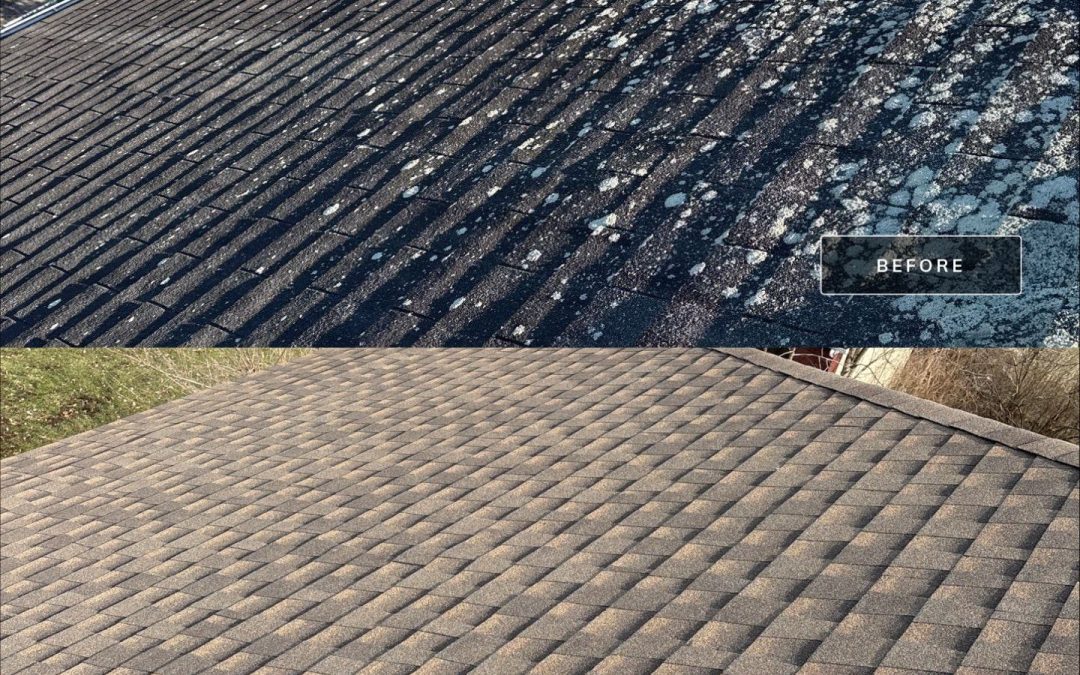
When a roof starts leaking, many homeowners hope for the simplest possible answer: patch the problem and move on.
Sometimes that is exactly the right approach.
A focused roof repair can be a practical, cost-effective solution when the damage is limited, and the rest of the roofing system is still in good condition. But there are also situations where another patch only delays a larger problem. If the roof is aging, leaking in several places, or failing at multiple connected components, repeated repairs may cost more over-time without providing dependable protection.
At Prescott Roofing, we believe homeowners deserve an honest explanation of both possibilities. Not every roof problem requires replacement, and not every roof should keep receiving temporary repairs.
The right decision depends on the roof’s age, condition, materials, leak history, and the actual source of the damage.
When a Roof Repair Makes Sense
A roof repair often makes sense when the problem is isolated, and the surrounding roofing system still has useful life remaining.
That may include:
- A small number of missing or damaged shingles
- Localized flashing failure
- Minor storm damage in one area
- A limited leak around a vent or penetration
- One or two broken slate or tile pieces
- Damage caused by a fallen branch
- A gutter or drainage issue affecting a specific roof edge
In these situations, repairing the affected area can restore protection without replacing roofing materials that are still performing well.
The key word is localized.
A successful repair should address a clear, identifiable problem. The contractor should be able to explain where water is entering, what caused the failure, and how the repair will correct it.
The Roof’s Age Matters
Age alone does not determine whether a roof should be repaired or replaced, but it changes the conversation.
If an asphalt shingle roof is only several years old and has one damaged area, repair is often the logical first choice. If the same roof is approaching the end of its expected lifespan, a patch may solve today’s leak while another section begins failing soon afterward.
Older roofs may also have brittle materials that are difficult to repair without disturbing the surrounding area. Replacement shingles may not match because the existing roof has faded or because the original product is no longer available.
For slate, tile, and metal roofs, age should be considered differently. These materials can last much longer than asphalt shingles, and isolated repairs may extend their service life for many years when the rest of the system remains sound.
A contractor should evaluate the material and its condition rather than relying only on the installation date.
When Repeated Patching Becomes a Warning Sign
One repair does not necessarily indicate a larger problem.
Several repairs in a short period often do.
If water keeps entering near the same chimney, valley, wall transition, or roof section, the earlier work may have addressed the visible symptom instead of the actual cause. Adding more sealant or replacing another small section may not resolve an underlying flashing, masonry, decking, or drainage problem.
Repeated leaks may indicate:
- Widespread material deterioration
- Improper original installation
- Failing underlayment
- Multiple flashing problems
- Deteriorated roof decking
- Poor ventilation
- Water entering through masonry
- A roof that has reached the end of its useful life
At some point, continued patching stops being economical.
The homeowner may spend money several times while still dealing with uncertainty every time heavy rain or snowmelt arrives.
A Patch Should Fix the Cause, Not Cover the Symptom
One of the biggest differences between a lasting repair and a temporary patch is whether the work addresses the actual source of the problem.
Water stains do not always appear directly below the opening. Moisture can travel along roof decking, framing, flashing, or masonry before becoming visible inside the home.
For example, a leak near a chimney may be caused by:
- Failed step flashing
- Loose counterflashing
- Cracked mortar
- A damaged chimney crown
- Deteriorated brick
- A roofing issue beside the chimney
Simply applying roofing cement around the area may slow the water temporarily, but it may not correct the condition that allowed moisture to enter.
A trustworthy repair begins with diagnosis.
When Replacement May Be the Better Investment
Roof replacement may make more sense when problems are no longer isolated.
Common signs include:
- Leaks in several areas
- Widespread missing, curled, or cracked shingles
- Significant granule loss
- Extensive rust or metal deterioration
- Large sections of broken or slipping material
- Soft or damaged decking
- Ongoing repairs that do not hold
- A roof near the end of its expected lifespan
- Interior moisture damage linked to multiple roof areas
Replacement may also be the more responsible option when the cost of repairing several sections begins approaching the cost of a complete roofing system.
That does not mean homeowners should automatically replace an older roof at the first sign of trouble. It means the full condition and likely future repair needs should be considered together.
Consider the Cost Beyond Today’s Repair
A small repair generally costs less than replacement, but the lowest immediate expense is not always the lowest long-term cost.
Imagine repairing one leak this year, another section next year, and a chimney transition the year after that. Each individual bill may feel manageable, but together they can become a significant investment in a roof that still needs replacement soon.
There are also indirect costs to consider:
- Interior drywall or paint damage
- Wet insulation
- Mold or moisture concerns
- Damaged decking and framing
- Disruption from repeated service visits
- Stress every time heavy weather is forecast
A realistic repair recommendation should consider how likely the roof is to develop additional problems in the near future.
Material Availability Can Affect Repair Decisions
On older roofs, the original roofing material may no longer be available.
Asphalt shingle colors and product lines change. Slate and tile may vary in size, thickness, texture, or source. Older metal profiles may be difficult to match.
An experienced contractor may still be able to complete a functional repair, but the finished area may not blend perfectly with the existing roof.
Homeowners should understand both the performance and appearance implications before approving the work.
Storm Damage Does Not Always Require Full Replacement
After severe wind, hail, or falling debris, homeowners sometimes assume the entire roof must be replaced.
That is not always the case.
If damage is limited to one slope or a small number of roofing components, a targeted repair may be enough. The rest of the system should still be inspected carefully for less obvious issues, especially around flashing, valleys, ridges, and roof penetrations.
The recommendation should be based on actual damage, not fear or pressure after a storm.
What an Honest Contractor Should Explain
When recommending repair or replacement, a roofing contractor should be able to answer a few basic questions clearly:
- Where is the problem?
- What caused it?
- Is the damage isolated or widespread?
- How much useful life appears to remain?
- Will the repair be permanent or temporary?
- Are more repairs likely in the near future?
- What condition are the flashing and roof decking in?
- Will the repair materials match?
- What warranty applies to the work?
Homeowners should not be left with a vague statement that the roof is “bad” or that replacement is the only option without an explanation.
They should also be cautious of promises that one quick patch will permanently solve a problem when the surrounding roof is clearly deteriorated.
Temporary Repairs Have a Place
There are situations where a temporary patch is appropriate.
If a storm has caused active water entry and permanent work cannot begin immediately, an emergency repair may help protect the home until conditions improve. Temporary work may also be useful when materials need to be ordered or when a larger project is already scheduled.
The important thing is that the homeowner understands the difference between temporary protection and a finished repair.
A temporary patch should come with a clear plan for what happens next.
The Bottom Line
“Just patching it” is not always a bad idea.
When damage is limited, the surrounding roof is healthy, and the actual cause can be corrected, a repair may provide years of additional service. It can be the responsible and economical choice.
But when a roof is aging, leaking repeatedly, or failing in several connected areas, another patch may only postpone the decision while allowing hidden damage to continue.
At Prescott Roofing, we believe homeowners deserve realistic guidance. Sometimes the right answer is a focused repair. Sometimes replacement provides the better long-term value. Our job is to explain the difference clearly so homeowners can decide based on the condition of their roof, not pressure or guesswork.
The best solution is not always the biggest project. It is the one that honestly addresses the problem and protects the home for the road ahead.