For many homeowners, one of the hardest parts of dealing with a roofing issue is not knowing exactly what is going on.
They may have a leak stain on the ceiling, shingles that look questionable from the driveway, or a suspicion that storm damage did more than it first appeared. But from the ground, it is hard to see much clearly. And if a contractor starts describing roof conditions without showing what they mean, the decision can feel harder than it should.
That is one reason drone roof inspections have become so helpful.
At Prescott Roofing, we know homeowners want more than a verbal explanation. They want to see what the contractor sees. They want clear documentation. They want to understand what condition the roof is in, where the trouble spots are, and what options make sense before they commit to a repair or replacement.
Drone inspections help make that process more transparent.
What a Drone Roof Inspection Actually Does
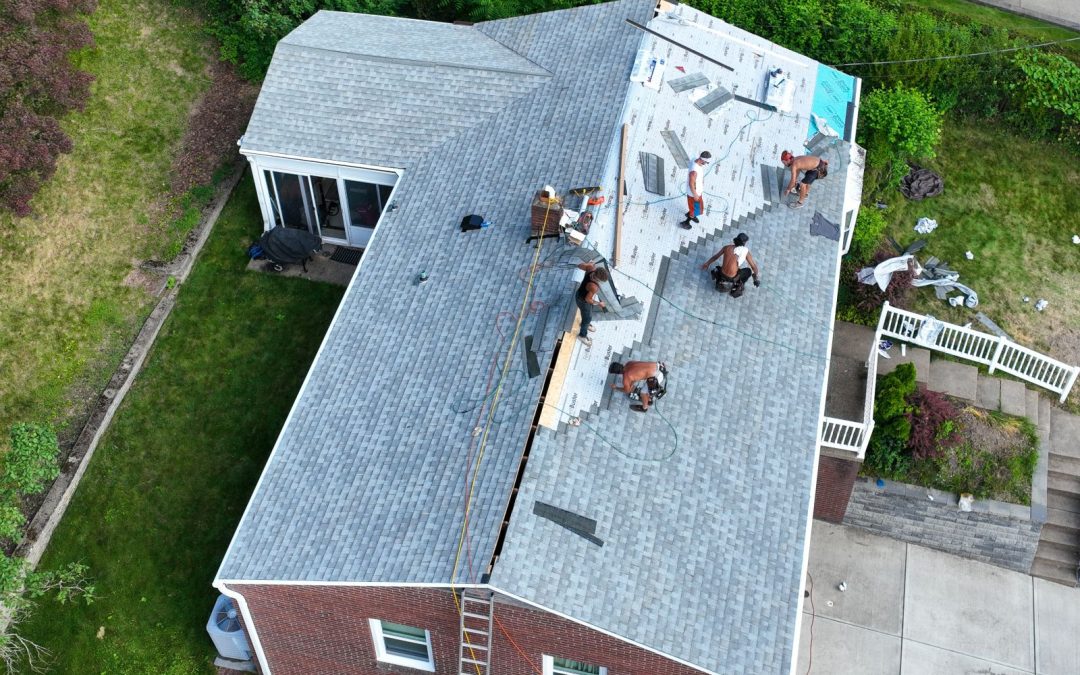
A drone roof inspection uses high-resolution aerial imaging to capture detailed views of the roof from above. Instead of relying only on what can be seen from the ground or explained after a manual inspection, drone technology allows contractors and homeowners to view the roof more directly.
That includes the overall roof layout, visible wear patterns, trouble spots around penetrations and transitions, and the general condition of roofing materials across the home.
For homeowners, the biggest advantage is simple: they get a better visual understanding of what is happening.
What Drone Inspections Can Show
A drone inspection can help document a wide range of visible roof conditions, including:
- Missing, lifted, or damaged shingles
- Areas of visible wear or aging
- Storm-related damage after wind or hail
- Flashing concerns around chimneys, valleys, and roof transitions
- Debris buildup in valleys or low areas
- Gutter and drainage-related trouble spots
- Overall roof condition and layout
- Problem areas that may need closer evaluation
This does not mean a drone replaces every part of a full roofing assessment. Some conditions still require hands-on expertise and closer inspection. But as a documentation and communication tool, drones can be extremely useful.
They make the visible roof condition easier to explain and easier for the homeowner to understand.
Why Homeowners Appreciate the Transparency
One of the biggest reasons homeowners respond well to drone inspections is that they remove some of the mystery from the process.
Roofing work can be difficult for homeowners to evaluate because most people are not climbing up there themselves. That creates a trust gap if the only information they receive is a summary from the contractor.
Drone images help close that gap.
Instead of hearing that there is flashing damage near the chimney or wear along a roof valley, homeowners can often see the area being discussed. That creates a more informed conversation.
It also makes the estimate process feel less like guesswork and more like a real explanation backed by visible evidence.
For many homeowners, that kind of transparency builds confidence.
Better Documentation Leads to Better Decisions
Roofing decisions are easier when people have clear information.
Drone inspections can provide visual documentation that helps homeowners compare options, understand the extent of visible damage, and make more confident choices about whether they are dealing with a repair issue, a maintenance concern, or a roof that may be nearing replacement.
This is especially helpful when:
- A roof has storm damage
- A homeowner is comparing repair versus replacement
- A leak source is being investigated
- There are multiple visible problem areas
- A homeowner wants a clearer record of the roof’s condition over time
When the condition of the roof is documented visually, the conversation becomes easier to follow. That makes it easier to ask questions, easier to understand the scope of the work, and easier to feel comfortable moving forward.
A Helpful Tool for Older Pittsburgh Homes
In Pittsburgh, many homes have steep rooflines, chimneys, dormers, masonry details, and other architectural features that make roof evaluation more complex. Older homes can also have trouble spots that are not easy to see from the ground, especially around roof transitions and upper elevations.
Drone inspections can be especially helpful in those situations because they provide a broader perspective on the roof as a whole.
For homes with steep-slope architecture, complex layouts, or multiple connected exterior systems, good visual documentation can help show how different parts of the roof are performing and where visible wear appears to be concentrated.
That does not replace experience. It supports it.
Why This Matters During Storm Season
After wind, hail, or heavy rain, many homeowners want to know one thing quickly: did the storm damage my roof?
A drone inspection can be a useful part of that conversation because it helps document visible changes after a weather event. If shingles are missing, flashing appears disturbed, or debris has collected in problem areas, those conditions can often be shown more clearly through aerial imaging.
That makes the post-storm process less abstract.
Instead of relying on a broad description, the homeowner gets a more concrete look at what happened and what the next step should be.
Drone Inspections Support Communication
The real value of drone inspections is not just the images themselves. It is what those images do for communication.
A good roofing contractor should still explain what they are seeing in plain language. They should still walk the homeowner through the condition of the roof, answer questions honestly, and avoid overstating what the images mean.
But when those explanations are paired with clear visuals, the process feels more open and easier to trust.
Homeowners appreciate that because they are not being asked to decide based only on jargon or pressure. They are being shown the roof and helped through the decision with better information.
What Drone Inspections Do Not Replace
It is also important to be realistic.
A drone inspection is a valuable tool, but it is not a substitute for professional roofing knowledge. The images still need to be interpreted correctly. Some issues may require closer physical evaluation. Others may involve connected systems like chimneys, masonry, flashing, or ventilation that need more than an aerial view alone.
The best use of drone technology is not as a gimmick. It is as part of a thoughtful inspection process that helps homeowners see more clearly and decide more confidently.
The Bottom Line
Drone roof inspections help homeowners see what is otherwise hard to see.
They improve transparency, provide useful documentation, and make roofing conversations easier to understand. For homeowners trying to decide between repair and replacement, investigate a leak, or assess storm-related concerns, that added visibility can make a real difference.
At Prescott Roofing, we believe homeowners should feel informed, not pressured. Drone inspections support that approach by turning a hard-to-see roof into something homeowners can understand more clearly.
And when people can see the condition of their roof for themselves, better decisions usually follow.